
4-я Красноармейская, 2А
Санкт-Петербург, 190005
Email: info@lenmoto.ru
Телефон: +7 (921) 930-81-18
Телефон: +7 (911) 928-08-06
Компания ЛенМото
Запчасти, аксессуары, экипировка, тюнинг для мотоциклов, скутеров, квадроциклов, снегоходов, багги, гидроциклов, катеров и лодочных моторов.
Подпишитесь на наши новости
Подписаться
Фотография, фотосессии, интерьерная и промышленная съемка, 360° 3D виртуальные туры Калининград

На катере

На автомобиле

На мотоцикле

На автодоме

Эксклюзивные фотосессии

Последние темы на форуме:
- Вы здесь:
- Главная >
- РУНДУК >
- Сервис мануалы и инструкции >
- Yamaha >
- Yamaha 25J, 30D service manual
Здесь можно не только брать, но и можно делиться с другими.
Проблемы со скачиванием/закачиванием – тебе сюда: Помощь
Подробно о закачке
Yamaha 25J, 30D service manual 25J, 30D 6K9-28197-Z8-C2
384 страницы полезной информации по ремонту и обслуживанию лодочного мотора для неруко*опа.
Information
Добавлен: 2015-01-22
Размер: 5,57 МБ
Оценка:
Добавил: Valery
Скачан: 26
Пароль: vodkomotornik.ru
Похожие файлы:
Добавить комментарий
——/——-
Зайти на борт
Апартамент Калининград
Присоединяйся!
Новое на сайте
Новые файлы в Рундуке
Новые объявления
Новое фото в галерее
- Гиперболический параболоид — филиал Большого театра России в Калининграде
- Автор: Valery
- Категория: Панорама
- Просмотров: 60
На сайте
Сейчас 16 гостей и 1 водкомоторник(ов) онлайн:
]]>
View the manual for the Yamaha 30D (2013) here, for free. This manual comes under the category outboard motors and has been rated by 1 people with an average of a 7.5.
This manual is available in the following languages: English. Do you have a question about the Yamaha 30D (2013) or do you need help?
Ask your question here
Frequently Asked Questions
Can’t find the answer to your question in the manual? You may find the answer to your question in the FAQs about the Yamaha 30D (2013) below.
What is the difference between E10 and E5 petrol?
E10 petrol consists of up to ten per cent ethanol while E5 petrol will contain less than five per cent ethanol. As a result, the percentage of E10 petrol is lower than that of E5 petrol, making it less bad for the environment.
Is the manual of the Yamaha 30D (2013) available in English?
Yes, the manual of the Yamaha 30D (2013) is available in English .
Is your question not listed? Ask your question here
OWNER’S MANUAL
Read this manual carefully before operating this
outboard motor.
30D
6J8-28199-74-E0

EMU25052
Read this manual carefully before operating this outboard motor. Keep this
manual onboard in a waterproof bag when boating. This manual should stay
with the outboard motor if it is sold.
Important manual information
EMU25105
To the owner
Thank you for choosing a Yamaha outboard
motor. This Owner’s Manual contains information needed for proper operation, maintenance and care. A thorough understanding
of these simple instructions will help you obtain maximum enjoyment from your new
Yamaha. If you have any question about the
operation or maintenance of your outboard
motor, please consult a Yamaha dealer.
In this Owner’s Manual particularly important
information is distinguished in the following
ways.
: This is the safety alert symbol. It is
used to alert you to potential personal injury
hazards. Obey all safety messages that follow this symbol to avoid possible injury or
death.
EWM00781
WARNING
A WARNING indicates a hazardous situation which, if not avoided, could result in
death or serious injury.
ECM00701
NOTICE
A NOTICE indicates special precautions
that must be taken to avoid damage to the
outboard motor or other property.
there is any question concerning this manual, please consult your Yamaha dealer.
To ensure long product life, Yamaha recommends that you use the product and perform
the specified periodic inspections and maintenance by correctly following the instructions in the owner’s manual. Any damage
resulting from neglect of these instructions is
not covered by warranty.
Some countries have laws or regulations restricting users from taking the product out of
the country where it was purchased, and it
may be impossible to register the product in
the destination country. Additionally, the
warranty may not apply in certain regions.
When planning to take the product to another
country, consult the dealer where the product was purchased for further information.
If the product was purchased used, please
consult your closest dealer for customer reregistration, and to be eligible for the specified services.
IP:
The 30DEO, 30DETO, 30DMHO and the
standard accessories are used as a base for
the explanations and illustrations in this
manual. Therefore some items may not apply to every model.
EMU25121
IP:
A TIP provides key information to make procedures easier or clearer.
Yamaha continually seeks advancements in
product design and quality. Therefore, while
this manual contains the most current product information available at the time of printing, there may be minor discrepancies
between your machine and this manual. If
30D
OWNER’S MANUAL
©2008 by Yamaha Motor Co., Ltd.
1st Edition, April 2008
All rights reserved.
Any reprinting or unauthorized use
without the written permission of
Yamaha Motor Co., Ltd.
is expressly prohibited.
Printed in Japan

Table of contents
Safety information……………………….. 1
Outboard motor safety ……………….. 1
Propeller…………………………………….. 1
Rotating parts……………………………… 1
Hot parts ……………………………………. 1
Electric shock……………………………… 1
Power trim and tilt ………………………..1
Engine shut-off cord (lanyard)……….. 1
Gasoline…………………………………….. 1
Gasoline exposure and spills ………… 2
Carbon monoxide………………………… 2
Modifications ………………………………. 2
Boating safety …………………………… 2
Alcohol and drugs ………………………..2
Personal flotation devices …………….. 2
People in the water ………………………2
Passengers ………………………………… 2
Overloading………………………………… 2
Avoid collisions …………………………… 3
Weather …………………………………….. 3
Passenger training ………………………. 3
Boating safety publications ……………3
Laws and regulations …………………… 3
General information ……………………..4
Identification numbers record………. 4
Outboard motor serial number ………. 4
Key number………………………………… 4
EC Declaration of Conformity
(DoC) ……………………………………… 4
CE Marking ………………………………. 4
Read manuals and labels……………. 6
Warning labels …………………………….6
Specifications and requirements… 10
Specifications ………………………….. 10
Installation requirements …………… 11
Boat horsepower rating………………. 11
Mounting motor …………………………. 11
Remote control requirements…….. 11
Battery requirements………………… 12
Battery specifications …………………. 12
Mounting battery ………………………..12
Multiple batteries……………………….. 12
Without a rectifier or Rectifier
Regulator ……………………………….. 12
Propeller selection……………………. 12
Start-in-gear protection …………….. 13
Engine oil requirements ……………. 13
Fuel requirements……………………. 13
Gasoline …………………………………… 13
Muddy or acidic water………………. 13
Anti-fouling paint ……………………… 14
Motor disposal requirements……… 14
Emergency equipment……………… 14
Components ……………………………… 15
Components diagram……………….. 15
Fuel tank …………………………………..15
Fuel joint…………………………………… 16
Fuel gauge ………………………………..16
Fuel tank cap…………………………….. 16
Air vent screw……………………………. 16
Remote control box ……………………. 16
Remote control lever ………………….. 16
Neutral interlock trigger ………………. 17
Neutral throttle lever…………………… 17
Choke switch…………………………….. 17
Tiller handle………………………………. 17
Gear shift lever………………………….. 18
Throttle grip ………………………………. 18
Throttle indicator ………………………..18
Throttle friction adjuster………………. 18
Engine shut-off cord (lanyard) and
clip…………………………………………. 19
Engine stop button ……………………..19
Choke knob for pull type ……………..20
Manual starter handle …………………20
Main switch ……………………………….20
Steering friction adjuster ……………..20
Power trim and tilt switch on remote
control …………………………………….21
Trim tab with anode……………………. 21
Trim rod (tilt pin) ………………………… 22
Shallow water lever ……………………. 22
Tilt lock mechanism……………………. 22
Tilt support knob………………………… 22
Tilt support lever for manual tilt
model ……………………………………..23
Top cowling lock lever(s)
(turn type)……………………………….. 23
2-pin connector ………………………….23
Battery charging information ………..24

Table of contents
Alert indicator ……………………………. 24
Engine control system……………….. 25
Alert system ……………………………. 25
Overheat alert ……………………………25
Oil level alert and oil filter clogging
alert……………………………………….. 25
Installation …………………………………27
Installation ………………………………. 27
Mounting the outboard motor………. 27
Clamping the outboard motor ……… 28
Operation …………………………………..30
First-time operation ………………….. 30
Breaking in engine ……………………..30
Getting to know your boat …………… 30
Checks before starting engine …… 30
Fuel level………………………………….. 31
Remove cowling………………………… 31
Fuel system………………………………. 31
Controls……………………………………. 31
Engine shut-off cord (lanyard)……… 32
Oil……………………………………………. 32
Engine……………………………………… 32
Operation after long period of
storage…………………………………… 32
Install cowling……………………………. 33
Power trim and tilt system…………… 33
Battery……………………………………… 34
Filling fuel and engine oil…………… 34
Filling fuel for portable tank…………. 34
Filling oil for manual starter
model …………………………………….. 35
Filling oil for electric start models…. 35
Oil level indicator operation…………. 37
Operating engine……………………… 37
Feeding fuel (portable tank) ………… 37
Starting engine………………………….. 38
Checks after starting engine ……… 42
Cooling water ……………………………. 42
Warming up engine ………………….. 42
Choke start models ……………………. 42
Checks after engine warm-up ……. 42
Shifting …………………………………….. 42
Stop switches……………………………. 42
Shifting …………………………………… 42
Stopping boat………………………….. 44
Stopping engine………………………. 44
Procedure…………………………………. 44
Trimming outboard motor………….. 45
Adjusting trim angle for manual tilt
models ……………………………………46
Adjusting trim angle (power tilt
models) …………………………………..46
Adjusting boat trim ……………………..47
Tilting up and down………………….. 48
Procedure for tilting up (manual tilt
models) …………………………………..48
Procedure for tilting up (power trim
and tilt models)………………………… 49
Procedure for tilting down (manual
tilt models)………………………………. 50
Procedure for tilting down (power
trim and tilt models)………………….. 50
Shallow water………………………….. 51
Cruising in shallow water (manual
tilt models)………………………………. 51
Power trim and tilt models…………… 52
Cruising in other conditions……….. 53
Maintenance ……………………………… 54
Transporting and storing outboard
motor ……………………………………. 54
Clamp screw mounting models ……. 54
Storing outboard motor ……………….54
Procedure…………………………………. 55
Lubrication (oil injection models)….. 57
Cleaning the outboard motor……….. 57
Checking painted surface of
motor………………………………………57
Periodic maintenance ………………. 57
Replacement parts …………………….. 58
Severe operating conditions………… 58
Maintenance chart 1…………………… 59
Maintenance chart 2…………………… 61
Greasing…………………………………… 62
Cleaning and adjusting spark
plug ………………………………………..63
Checking fuel filter……………………… 64
Inspecting idling speed……………….. 64
Checking water in engine oil tank …65
Checking wiring and connectors …..65

Table of contents
Checking propeller …………………….. 65
Removing propeller……………………. 66
Installing propeller……………………… 66
Changing gear oil………………………. 67
Cleaning fuel tank ………………………68
Inspecting and replacing
anode(s)…………………………………. 69
Checking battery (for electric start
models) ………………………………….. 69
Connecting the battery……………….. 70
Disconnecting the battery …………… 70
Trouble Recovery………………………. 72
Troubleshooting ………………………. 72
Temporary action in emergency…. 75
Impact damage ………………………….75
Replacing fuse …………………………..75
Power trim and tilt will not
operate…………………………………… 76
Starter will not operate ……………….. 76
Emergency starting engine ………….77
Treatment of submerged motor….. 78

Safety information
EMU33622
Outboard motor safety
Observe these precautions at all times.
EMU36500
Propeller
People can be injured or killed if they come
in contact with the propeller. The propeller
can keep moving even when the motor is in
neutral, and sharp edges of the propeller can
cut even when stationary.
●
Shut off the engine when a person is in the
water near you.
●
Keep people out of reach of the propeller,
even when the engine is off.
EMU33630
Rotating parts
Hands, feet, hair, jewelry, clothing, PFD
straps, etc. can become entangled with internal rotating parts of the engine, resulting in
serious injury or death.
Keep the top cowling in place whenever possible. Do not remove or replace the cowling
with the engine running.
Only operate the engine with the cowling removed according to the specific instructions
in the manual. Keep hands, feet, hair, jewelry, clothing, PFD straps, etc. away from any
exposed moving parts.
EMU33640
Hot parts
During and after operation, engine parts are
hot enough to cause burns. Avoid touching
any parts under the top cowling until the engine has cooled.
EMU33650
Electric shock
Do not touch any electrical parts while starting or operating the engine. They can cause
shock or electrocution.
EMU33660
Power trim and tilt
Body parts can be crushed between the mo-
tor and the clamp bracket when the motor is
trimmed or tilted. Keep body parts out of this
area at all times. Be sure no one is in this
area before operating the power trim and tilt
mechanism.
The power trim and tilt switches operate
even when the main switch is off. Keep people be away from the switches whenever
working around the motor.
Never get under the lower unit while it is tilted, even when the tilt support lever is locked.
Severe injury could occur if the outboard motor accidentally falls.
EMU33671
Engine shut-off cord (lanyard)
Attach the engine shut-off cord so that the
engine stops if the operator falls overboard
or leaves the helm. This prevents the boat
from running away under power and leaving
people stranded, or running over people or
objects.
Always attach the engine shut-off cord to a
secure place on your clothing or your arm or
leg while operating. Do not remove it to leave
the helm while the boat is moving. Do not attach the cord to clothing that could tear
loose, or route the cord where it could become entangled, preventing it from functioning.
Do not route the cord where it is likely to be
accidentally pulled out. If the cord is pulled
during operation, the engine will shut off and
you will lose most steering control. The boat
could slow rapidly, throwing people and objects forward.
EMU33810
Gasoline
Gasoline and its vapors are highly flammable and explosive.
cording to the procedure on page 37 to
reduce the risk of fire and explosion.
Always, refuel ac-
1

Safety information
EMU33820
Gasoline exposure and spills
Take care not to spill gasoline. If gasoline
spills, wipe it up immediately with dry rags.
Dispose of rags properly.
If any gasoline spills onto your skin, immediately wash with soap and water. Change
clothing if gasoline spills on it.
If you swallow gasoline, inhale a lot of gasoline vapor, or get gasoline in your eyes, get
immediate medical attention. Never siphon
fuel by mouth.
EMU33900
Carbon monoxide
This product emits exhaust gases which
contain carbon monoxide, a colorless, odorless gas which may cause brain damage or
death when inhaled. Symptoms include nausea, dizziness, and drowsiness. Keep cockpit and cabin areas well ventilated. Avoid
blocking exhaust outlets.
EMU33780
Modifications
Do not attempt to modify this outboard motor. Modifications to your outboard motor
may reduce safety and reliability, and render
the outboard unsafe or illegal to use.
EMU33740
Boating safety
This section includes a few of the many important safety precautions that you should
follow when boating.
EMU33710
Alcohol and drugs
Never operate after drinking alcohol or taking drugs. Intoxication is one of the most
common factors contributing to boating fatalities.
EMU33720
Personal flotation devices
Have an approved personal flotation device
(PFD) on board for every occupant. Yamaha
recommends that you must wear a PFD
whenever boating. At a minimum, children
and non-swimmers should always wear
PFDs, and everyone should wear PFDs
when there are potentially hazardous boating conditions.
EMU33730
People in the water
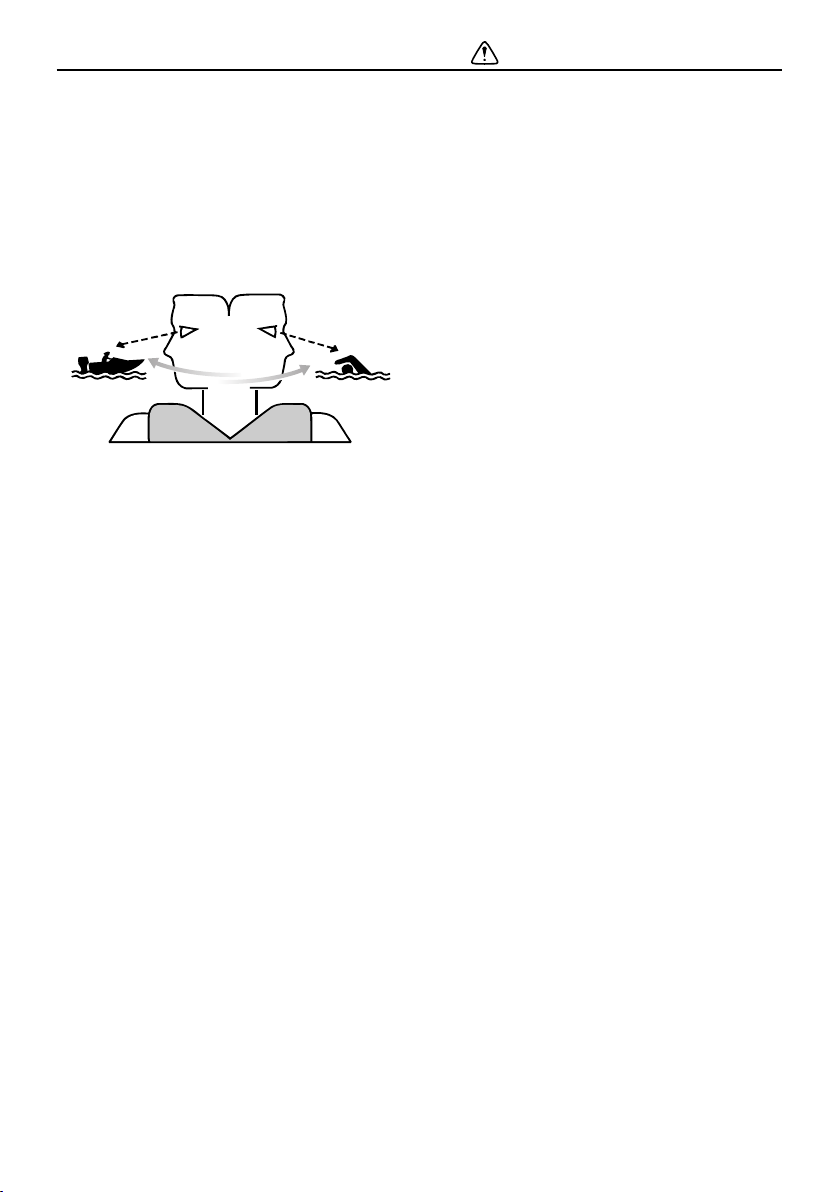
Always watch carefully for people in the water, such as swimmers, skiers, or divers,
whenever the engine is running. When
someone is in the water near the boat, shift
into neutral and shut off the motor.
Stay away from swimming areas. Swimmers
can be hard to see.
The propeller can keep moving even when
the motor is in neutral. Shut off the engine
when a person is in the water near you.
EMU33750
Passengers
Consult your boat manufacturer’s instructions for details about appropriate passenger
locations in your boat and be sure all passengers are positioned properly before accelerating and when operating above an idle
speed. Standing or sitting in non-designated
locations may result in being thrown either
overboard or within the boat due to waves,
wakes, or sudden changes in speed or direction. Even when people are positioned properly, alert your passengers if you must make
any unusual maneuver. Always avoid jumping waves or wakes.
EMU33760
Overloading
Do not overload the boat. Consult the boat
capacity plate or boat manufacturer for maximum weight and number of passengers. Be
sure that weight is properly distributed according to the boat manufacturers instructions. Overloading or incorrect weight
distribution can compromise the boats han-
2
Safety information
dling and lead to an accident, capsizing or
swamping.
EMU33771
Avoid collisions
Scan constantly
other boats. Be alert for conditions that limit
your visibility or block your vision of others.
Operate defensively
keep a safe distance away from people, objects, and other boats.
Do not follow directly behind other boats or
●
waterskiers.
●
Avoid sharp turns or other maneuvers that
make it hard for others to avoid you or understand where you are going.
●
Avoid areas with submerged objects or
shallow water.
●
Ride within your limits and avoid aggressive maneuvers to reduce the risk of loss
of control, ejection, and collision.
●
Take early action
member,
stopping the engine or reducing throttle
can reduce the ability to steer. If you are
not sure that you can stop in time before
hitting an obstacle, apply throttle and turn
in another direction.
EMU33790
for people, objects, and
ZMU06025
at safe speeds and
to avoid collisions. Re-
boats do not have brakes
, and
Weather
Stay informed about the weather. Check
weather forecasts before boating. Avoid
boating in hazardous weather.
EMU33880
Passenger training
Make sure at least one other passenger is
trained to operate the boat in the event of an
emergency.
EMU33890
Boating safety publications
Be informed about boating safety. Additional
publications and information can be obtained
from many boating organizations.
EMU33600
Laws and regulations
Know the marine laws and regulations where
you will be boating- and obey them. Several
sets of rules prevail according to geographic
location, but all are basically the same as the
International Rules of the Road.
3

General information
EMU25171
Identification numbers record
EMU25183
Outboard motor serial number
The outboard motor serial number is
stamped on the label attached to the port
side of the clamp bracket.
Record your outboard motor serial number in
the spaces provided to assist you in ordering
spare parts from your Yamaha dealer or for
reference in case your outboard motor is stolen.
1. Outboard motor serial number location
EMU25190
Key number
If a main key switch is equipped with the motor, the key identification number is stamped
on your key as shown in the illustration.
Record this number in the space provided for
reference in case you need a new key.
1. Key number
EMU37290
EC Declaration of Conformity
(DoC)
This outboard motor conforms to certain portions of the European Parliament directive
relating to machinery.
Each conformed outboard motor accompanied with EC DoC.EC DoC contains the following information;
Name of Engine Manufacture
●
●
Model name
Product code of model (Approved model
●
code)
●
Code of conformed directives
EMU25203
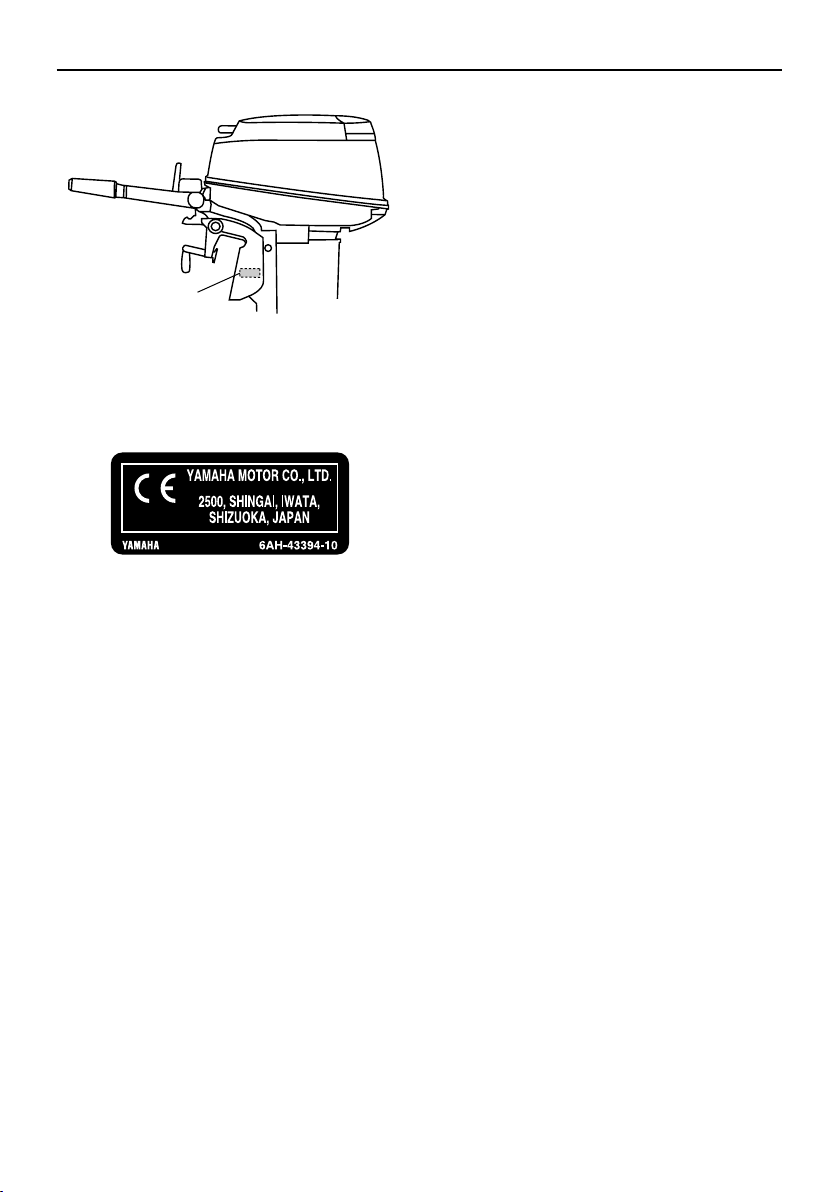
CE Marking
Outboard motors affixed with this “CE”marking conform with the directives of; 98/37/EC,
94/25/EC — 2003/44/EC and 2004/108/EC.
4
General information
1
1. CE marking location
ZMU06200
ZMU06040
5

General information
EMU33520
Read manuals and labels
Before operating or working on this motor:
●
Read this manual.
●
Read any manuals supplied with the boat.
●
Read all labels on the outboard motor and the boat.
If you need any additional information, contact your Yamaha dealer.
EMU33831
Warning labels
If these labels are damaged or missing, contact your Yamaha dealer for replacements.
30DMHO
2
1
3
ZMU06197
6

30DEO, 30DETO
General information
1
3
2
ZMU06202
7
General information
1
EMU33912
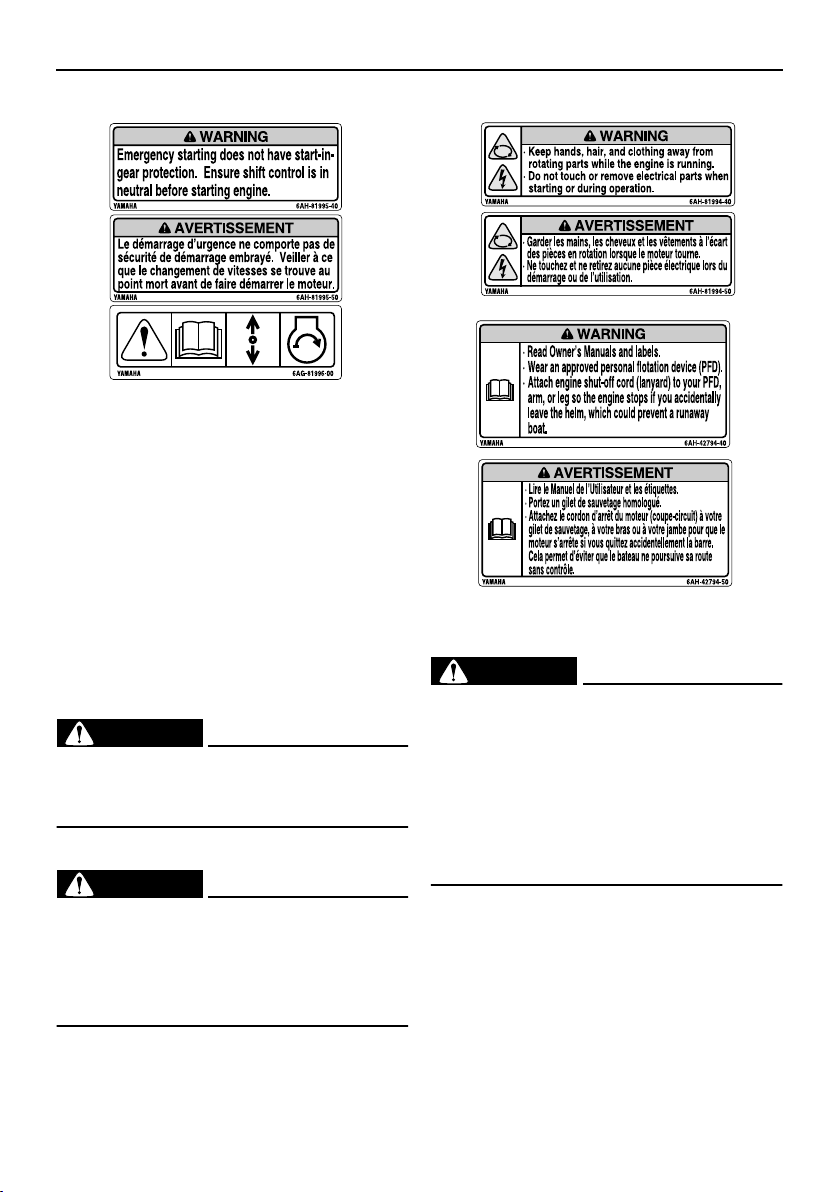
Contents of labels
The above warning labels mean as follows.
1
EWM01691
WARNING
Emergency starting does not have startin-gear protection. Ensure shift control is
in neutral before starting engine.
2
EWM01681
WARNING
●
Keep hands, hair, and clothing away
from rotating parts while the engine is
running.
●
Do not touch or remove electrical parts
when starting or during operation.
2
3
ZMU05706
3
EWM01671
WARNING
●
Read Owner’s Manuals and labels.
●
Wear an approved personal flotation
device (PFD).
●
Attach engine shut-off cord (lanyard) to
your PFD, arm, or leg so the engine
stops if you accidentally leave the
helm, which could prevent a runaway
boat.
8
General information
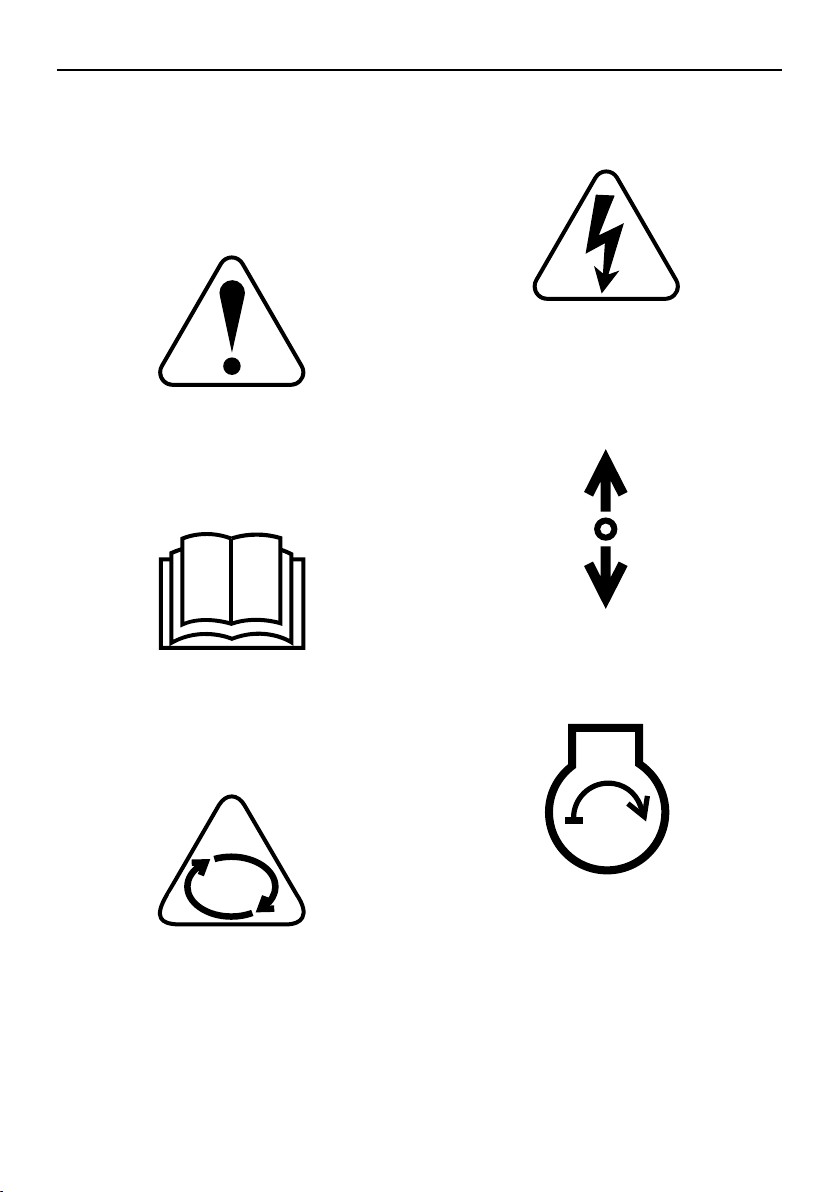
EMU33843
Symbols
The following symbols mean as follows.
Notice/Warning
ZMU05696
Read Owner’s Manual
ZMU05664
Electrical hazard
ZMU05666
Remote control lever/gear shift lever operating direction, dual direction
ZMU05667
Engine start/ Engine cranking
Hazard caused by continuous rotation
ZMU05665
ZMU05668
9

Specifications and requirements
EMU31480
Specifications
IP:
“(AL)” stated in the specification data below
represents the numerical value for the aluminum propeller installed.
Likewise, “(SUS)” represents the value for
stainless steel propeller installed and “(PL)”
for plastic propeller installed.
EMU2821C
Dimension:
Overall length:
30DEO 662 mm (26.1 in)
30DETO 662 mm (26.1 in)
30DMHO 993 mm (39.1 in)
Overall width:
30DEO 307 mm (12.1 in)
30DETO 307 mm (12.1 in)
30DMHO 360 mm (14.2 in)
Overall height S:
30DEO 1140 mm (44.9 in)
30DMHO 1158 mm (45.6 in)
Overall height L:
30DEO 1261 mm (49.6 in)
30DETO 1261 mm (49.6 in)
30DMHO 1279 mm (50.4 in)
Transom height S:
30DEO 424 mm (16.7 in)
30DMHO 424 mm (16.7 in)
Transom height L:
545 mm (21.5 in)
Weight (AL) S:
30DEO 60.0 kg (132 lb)
30DMHO 60.0 kg (132 lb)
Weight (AL) L:
30DEO 62.0 kg (137 lb)
30DETO 66.0 kg (146 lb)
30DMHO 62.0 kg (137 lb)
Performance:
Full throttle operating range:
4500–5500 r/min
Maximum output:
22.1 kW@5000 r/min
(30 HP@5000 r/min)
Idling speed (in neutral):
30DEO 750 ±50 r/min
30DETO 1050 ±50 r/min
30DMHO 750 ±50 r/min
Engine:
Type:
2-stroke L
Displacement:
496.0 cm
Bore × stroke:
59.5 × 59.5 mm (2.34 × 2.34 in)
Ignition system:
CDI
Spark plug with resistor (NGK):
BR7HS-10
Spark plug gap:
0.9–1.0 mm (0.035–0.039 in)
Control system:
30DEO Remote control
30DETO Remote control
30DMHO Tiller
Starting system:
30DEO Electric
30DETO Electric
30DMHO Manual
Starting carburetion system:
Choke valve
Min. cold cranking amps (CCA/EN):
30DEO 347.0 A
30DETO 347.0 A
Min. rated capacity (20HR/IEC):
30DEO 40.0 Ah
30DETO 40.0 Ah
Alternator output:
30DMHO 80 W
Maximum generator output:
30DEO 6.0 A
3
10
Specifications and requirements
30DETO 6.0 A
Drive unit:
Gear positions:
Forward-neutral-reverse
Gear ratio:
1.85 (24/13)
Trim and tilt system:
30DEO Manual tilt
30DETO Power trim and tilt
30DMHO Manual tilt
Propeller mark:
F
Fuel and oil:
Recommended fuel:
Regular unleaded gasoline
Min. research octane:
90
Fuel tank capacity:
25 L (6.60 US gal, 5.50 Imp.gal)
Recommended engine oil:
YAMALUBE 2-stroke outboard motor
oil
Lubrication:
Oil injection
Engine oil tank capacity:
0.9 L (0.95 US qt, 0.79 Imp.qt)
Recommended gear oil:
Hypoid gear oil SAE#90
Gear oil quantity:
0.200 L (0.211 US qt, 0.176 Imp.qt)
Tightening torque for engine:
Spark plug:
25.0 Nm (2.55 kgf-m, 18.4 ft-lb)
Propeller nut:
35.0 Nm (3.57 kgf-m, 25.8 ft-lb)
Noise and vibration level:
Operator sound pressure level (ICOMIA
39/94 and 40/94):
91.7 dB(A)
Sound power level (ICOMIA 39/94 and
40/94):
98.7 dB(A)
Vibration on tiller handle (ICOMIA 38/94):
Vibration on tiller handle is under 2.5
2
m/s
EMU33553
Installation requirements
EMU33563
Boat horsepower rating
EWM01560
WARNING
Overpowering a boat can cause severe
instability.
Before installing the outboard motor(s), confirm that the total horsepower of your motor(s) does not exceed the boats maximum
horsepower rating. See the boat’s capacity
plate or contact the manufacturer.
EMU33571
Mounting motor
EWM01570
WARNING
Improper mounting of the outboard mo-
●
tor could result in hazardous conditions such as poor handling, loss of
control, or fire hazards.
●
Because the motor is very heavy, special equipment and training is required
to mount it safely.
Your dealer or other person experienced in
proper rigging should mount the motor using
correct equipment and complete rigging instructions. For further information, see page
27.
EMU33581
Remote control requirements
EWM01580
WARNING
●
If the engine starts in gear, the boat can
move suddenly and unexpectedly, possibly causing a collision or throwing
11

Specifications and requirements
passengers overboard.
●
If the engine ever starts in gear, the
start-in-gear protection device is not
working correctly and you should discontinue using the outboard. Contact
your Yamaha dealer.
The remote control unit must be equipped
with a start-in-gear protection device(s). This
device prevents the engine from starting unless it is in neutral.
EMU25694
Battery requirements
EMU25721
Battery specifications
Minimum cold cranking amps (CCA/EN):
30DEO 347.0 A
30DETO 347.0 A
Minimum rated capacity (20HR/IEC):
30DEO 40.0 Ah
30DETO 40.0 Ah
The engine cannot be started if battery voltage is too low.
EMU36290
Mounting battery
Mount the battery holder securely in a dry,
well-ventilated, vibration-free location in the
boat.
WARNING! Do not put flammable
items, or loose heavy or metal objects in
the same compartment as the battery.
Fire, explosion or sparks could result.
[EWM01820]
EMU36300
Multiple batteries
To connect multiple batteries, such as for
multiple engine configurations or for an accessory battery, consult your Yamaha dealer
about battery selection and correct wiring.
EMU25730
Without a rectifier or Rectifier
Regulator
ECM01090
NOTICE
A battery cannot be connected to models
that do not have a rectifier or Rectifier
Regulator.
If you wish to use a battery with the models
without a rectifier or Rectifier Regulator, install an optional Rectifier Regulator.
Using a maintenance-free battery with the
above models can shorten the life of the battery significantly.
Install an optional Rectifier Regulator or use
accessories rated to withstand 18 volts or
higher with the above models. Consult your
Yamaha dealer for details on installing an
optional Rectifier Regulator.
EMU34191
Propeller selection
Next to selecting an outboard, choosing the
right propeller is one of the most important
purchasing decisions a boater can make.
The type, size, and design of your propeller
have a direct impact on acceleration, top
speed, fuel economy, and even engine life.
Yamaha designs and manufactures propellers for every Yamaha outboard motor and
every application.
Your outboard motor came with a Yamaha
propeller chosen to perform well over a
range of applications, but there may be uses
where a different propeller would be more
appropriate.
Your Yamaha dealer can help you select the
right propeller for your boating needs. Select
a propeller that will allow the engine to reach
the middle or upper half of the operating
range at full throttle with the maximum boatload. Generally, chose a larger pitch propel-
12
Specifications and requirements
ler for a smaller operating load and a smaller
pitch propeller for a heavier load. If you carry
loads that vary widely, chose the propeller
that lets the engine run in the proper range
for your maximum load but remember that
you may need to reduce your throttle setting
to stay within the recommended engine
speed range when carrying lighter loads.
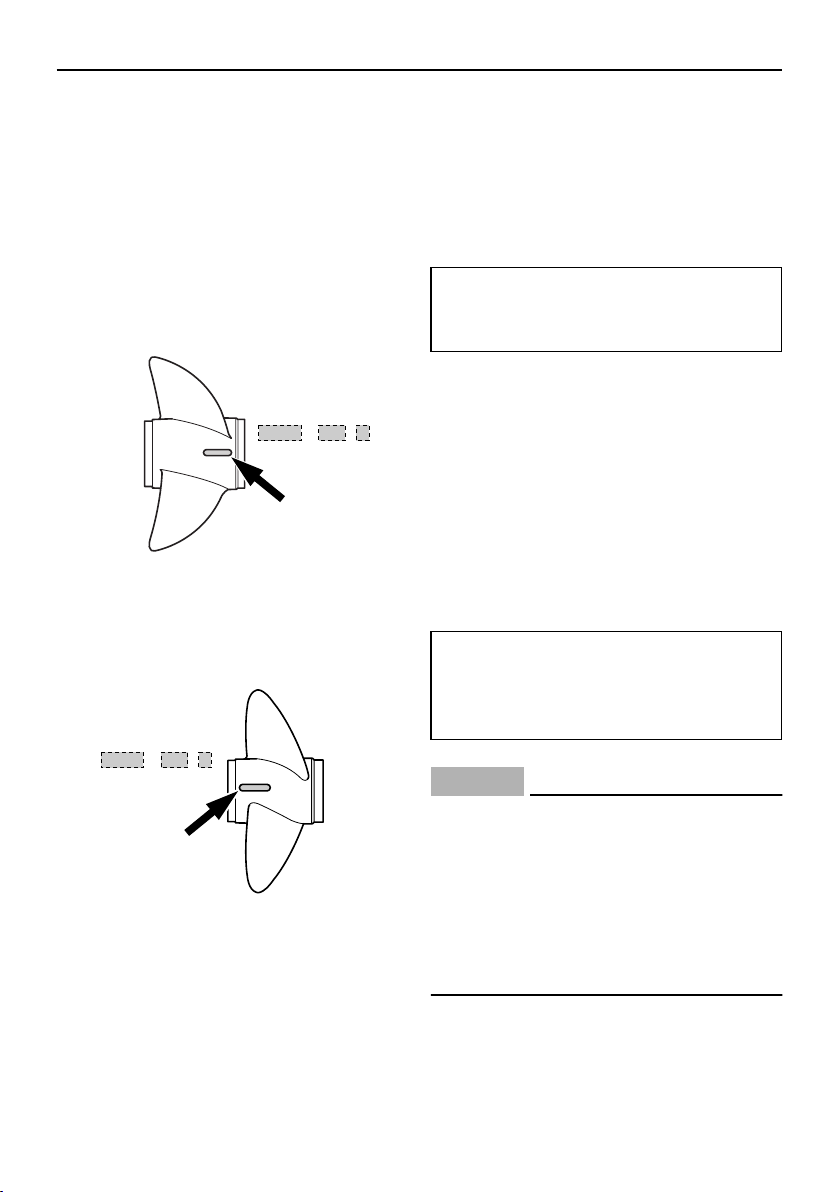
For instructions on propeller removal and installation, see page 65.
x
—
123
ZMU04605
1. Propeller diameter in inches
2. Propeller pitch in inches
3. Type of propeller (propeller mark)
proved remote control units are equipped
with start-in-gear protection device(s). This
feature permits the engine to be started only
when it is in neutral. Always select neutral
before starting the engine.
EMU25651
Engine oil requirements
Recommended engine oil:
YAMALUBE 2-stroke outboard motor
oil
If the recommended engine oil is not available, another 2-stroke engine oil with an
NMMA-certified TC-W3 rating may be used.
EMU36360
Fuel requirements
EMU36801
Gasoline
Use a good quality gasoline that meets the
minimum octane rating. If knocking or pinging occurs, use a different brand of gasoline
or premium unleaded fuel.
Recommended gasoline:
Regular unleaded gasoline with a minimum octane rating of 90 (Research
Octane Number).
x
—
123
ZMU04606
1. Propeller diameter in inches
2. Propeller pitch in inches
3. Type of propeller (propeller mark)
EMU25770
Start-in-gear protection
Yamaha outboard motors or Yamaha-ap-
ECM01980
NOTICE
●
Do not use leaded gasoline. Leaded
gasoline can seriously damage the engine.
●
Avoid getting water and contaminants
in the fuel tank. Contaminated fuel can
cause poor performance or engine
damage. Use only fresh gasoline that
has been stored in clean containers.
EMU36880
Muddy or acidic water
Yamaha strongly recommends that you have
13

Specifications and requirements
your dealer install the optional chromiumplated water pump kit if you use the outboard
motor in muddy or acidic water conditions.
However, depending on the model it might
not be required.
EMU36330
Anti-fouling paint
A clean hull improves boat performance. The
boat bottom should be kept as clean of marine growth as possible. If necessary, the
boat bottom can be coated with an anti-fouling paint approved for your area to inhibit
marine growth.
Do not use anti-fouling paint which includes
copper or graphite. These paints can cause
more rapid engine corrosion.
●
Spare parts, such as an extra set of spark
plugs.
Consult your Yamaha dealer for details.
EMU36340
Motor disposal requirements
Never illegally discard (dump) the motor
Yamaha recommends consulting the dealer
about discarding the motor.
EMU36351
Emergency equipment
Keep the following items onboard in case
there is trouble with the motor.
A tool kit with assorted screwdrivers, pli-
●
ers, wrenches (including metric sizes), and
electrical tape.
Waterproof flashlight with extra batteries.
●
●
An extra engine shut-off cord (lanyard)
with clip.
14
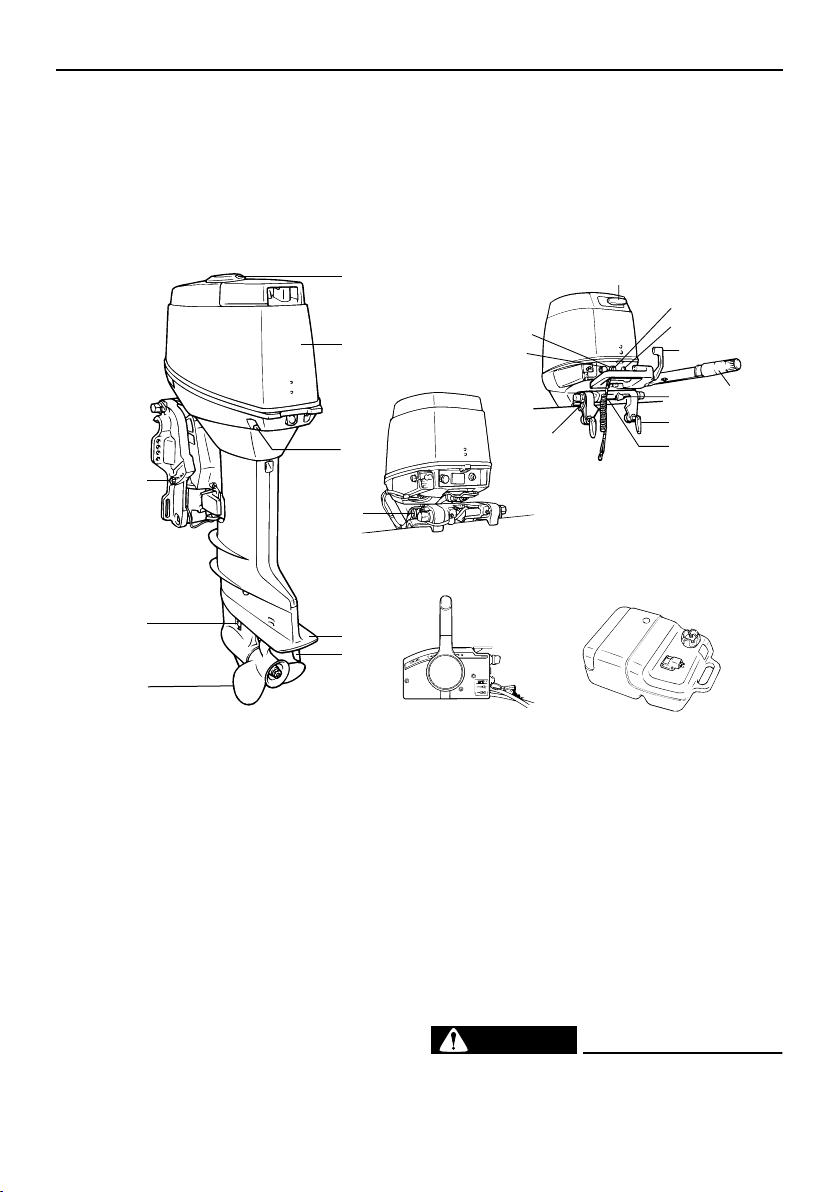
Components
EMU2579H
Components diagram
IP:
* May not be exactly as shown; also may not be included as standard equipment on all models.
30DEO, 30DMHO, 30DETO
1
2
3
8
19
7
4
5
6
1. Oil tank filler cap
2. Top cowling
3. Top cowling lock lever(s)
4. Anti-cavitation plate
5. Trim tab (anode)
6. Propeller
7. Cooling water inlet
8. Tilt rod*
9. Manual starter handle*
10. Engine stop button/Engine shut-off switch*
11. Alert indicator*
12. Gear shift lever*
13. Throttle grip*
14. Tilt lock lever*
15. Transom clamp handle*
9
10
22
18
11
12
14
15
17
20
16. Shallow water lever*
17. Rope attachment
18. Choke knob
19. Tilt support knob*
20. Remote control box (side mount type)*
21. Fuel tank
22. Clip*
EMU25802
Fuel tank
If your model was equipped with a portable
fuel tank, its function is as follows.
EWM00020
WARNING
The fuel tank supplied with this engine is
21
16
13
ZMU03758
15
Components
its dedicated fuel reservoir and must not
be used as a fuel storage container. Commercial users should conform to relevant
licensing or approval authority regulations.
13
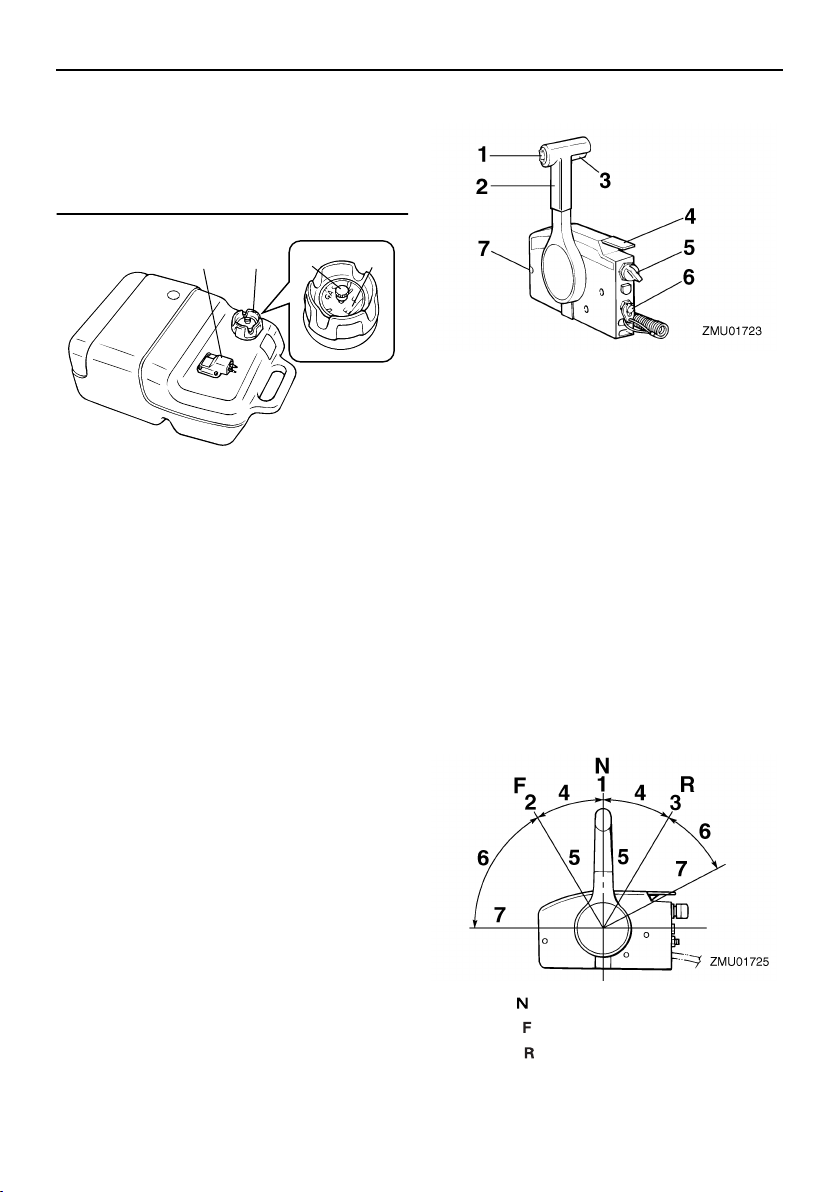
1. Fuel joint
2. Fuel gauge
3. Fuel tank cap
4. Air vent screw
EMU25830
42
ZMU03157
Fuel joint
This joint is used to connect the fuel line.
EMU25841
Fuel gauge
This gauge is located on either the fuel tank
cap or on the fuel joint base. It shows the approximate amount of fuel remaining in the
tank.
EMU25850
Fuel tank cap
This cap seals the fuel tank. When removed,
the tank can be filled with fuel. To remove the
cap, turn it counterclockwise.
EMU25860
Air vent screw
This screw is on the fuel tank cap. To loosen
the screw, turn it counterclockwise.
EMU26181
Remote control box
The remote control lever actuates both the
shifter and the throttle. The electrical switch-
es are mounted on the remote control box.
1. Power trim and tilt switch
2. Remote control lever
3. Neutral interlock trigger
4. Neutral throttle lever
5. Main switch / choke switch
6. Engine shut-off switch
7. Throttle friction adjuster
EMU26190
Remote control lever
Moving the lever forward from the neutral position engages forward gear. Pulling the lever back from neutral engages reverse. The
engine will continue to run at idle until the lever is moved about 35° (a detent can be felt).
Moving the lever farther opens the throttle,
and the engine will begin to accelerate.
1. Neutral “ ”
2. Forward “ ”
3. Reverse “ ”
16
4. Shift
5. Fully closed
6. Throttle
7. Fully open
EMU26201
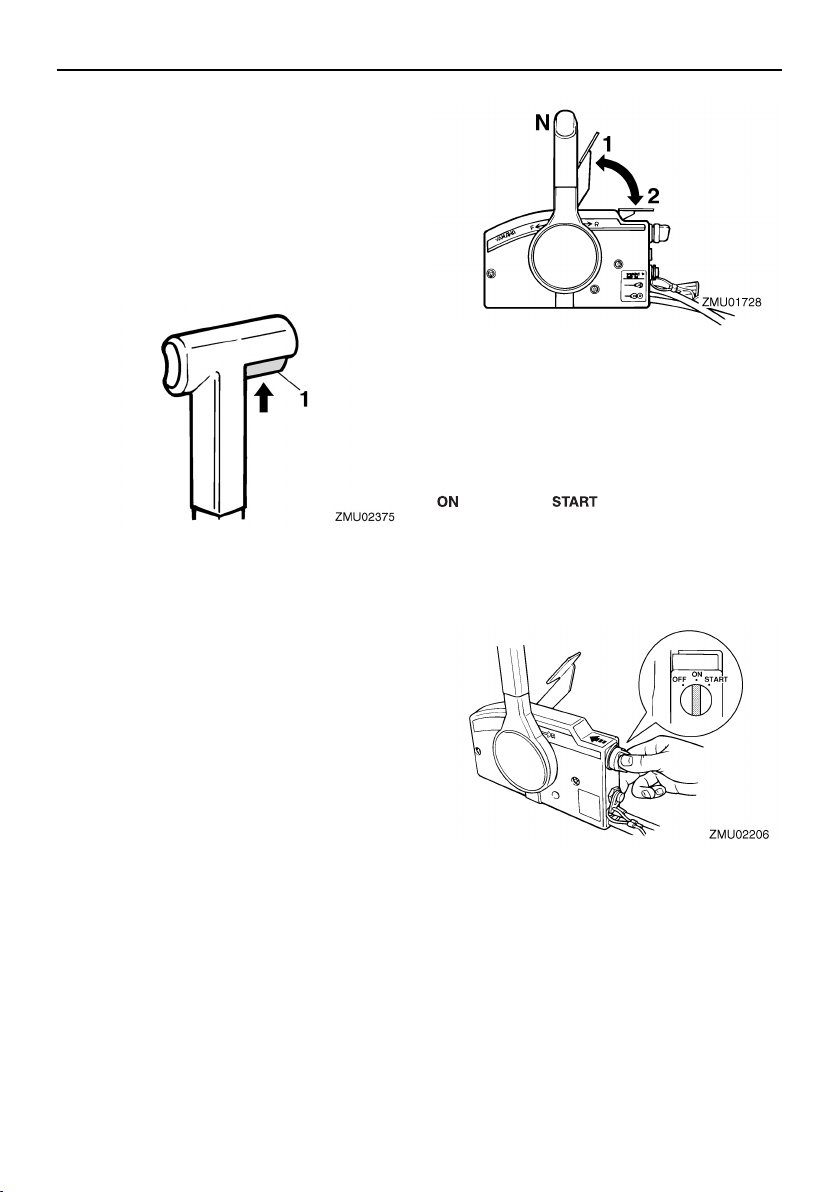
Neutral interlock trigger
To shift out of neutral, first pull the neutral interlock trigger up.
1. Neutral interlock trigger
EMU26211
Neutral throttle lever
To open the throttle without shifting into either forward or reverse, put the remote control lever in the neutral position and lift the
neutral throttle lever.
IP:
The neutral throttle lever will operate only
when the remote control lever is in neutral.
The remote control lever will operate only
when the neutral throttle lever is in the closed
position.
Components
1. Fully open
2. Fully closed
EMU26221
Choke switch
To activate the choke system, press in the
main switch while the key is turned to the
“” (on) or “ ” (start) position. The
choke system will then supply the rich fuel
mixture required to start the engine. When
the key is released, the choke will switch off
automatically.
EMU25911
Tiller handle
To change direction, move the tiller handle to
the left or right as necessary.
17

Components
ZMU02846
EMU25922
Gear shift lever
Pulling the gear shift lever towards you puts
the engine in forward gear so that the boat
moves ahead. Pushing the lever away from
you puts the engine in reverse gear so that
the boat moves astern.
R
3
N
2
F
1
ZMU03687
1. Forward “ ”
2. Neutral “ ”
3. Reverse “ ”
EMU25941
Throttle grip
The throttle grip is on the tiller handle. Turn
the grip counterclockwise to increase speed
and clockwise to decrease speed.
ZMU02848
EMU25961
Throttle indicator
The fuel consumption curve on the throttle
indicator shows the relative amount of fuel
consumed for each throttle position. Choose
the setting that offers the best performance
and fuel economy for the desired operation.
1
ZMU02849
1. Throttle indicator
EMU25973
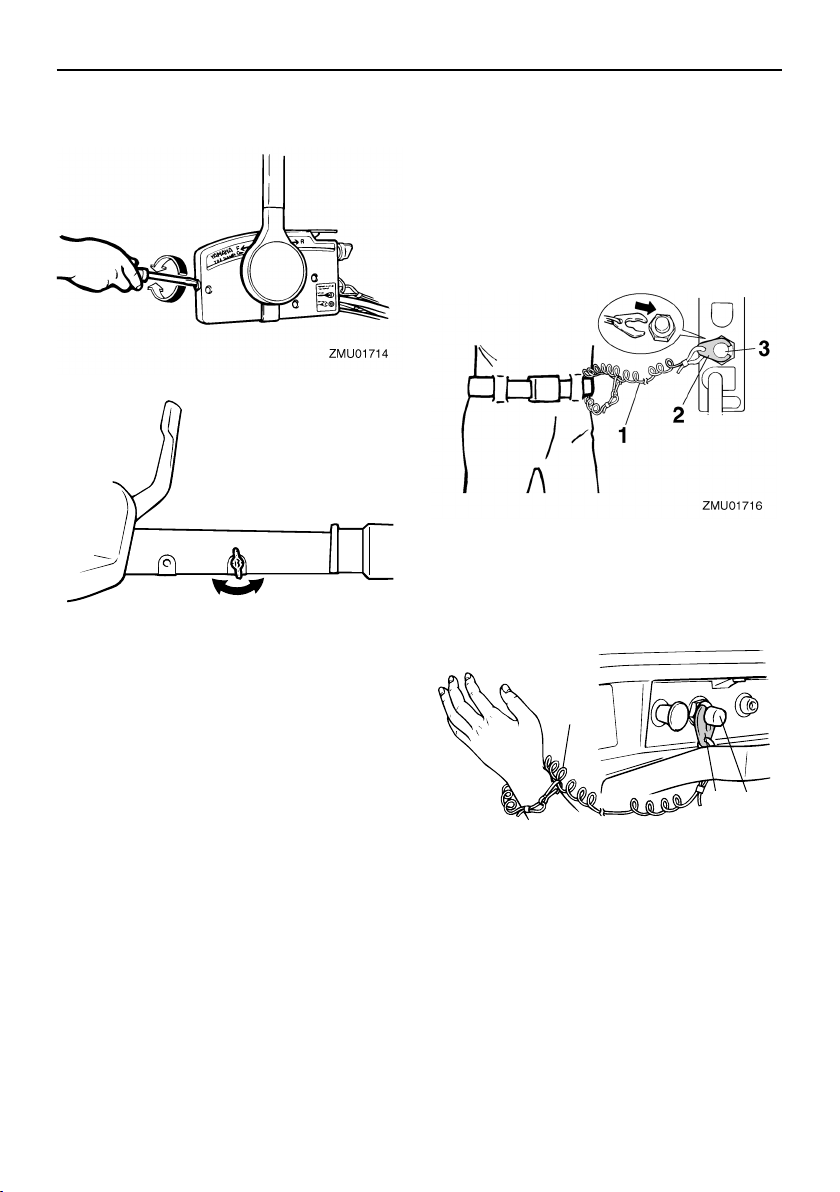
Throttle friction adjuster
A friction device provides adjustable resistance to movement of the throttle grip or the
remote control lever, and can be set according to operator preference.
To increase resistance, turn the adjuster
clockwise.
the friction adjuster. If there is too much
resistance, it could be difficult to move
the remote control lever or throttle grip,
which could result in an accident.
WARNING! Do not overtighten
[EWM00032]
18
Components
To decrease resistance, turn the adjuster
counterclockwise.
ZMU03688
When constant speed is desired, tighten the
adjuster to maintain the desired throttle setting.
EMU25993
Engine shut-off cord (lanyard) and
clip
The clip must be attached to the engine shutoff switch for the engine to run. The cord
should be attached to a secure place on the
operator’s clothing, or arm or leg. Should the
operator fall overboard or leave the helm, the
cord will pull out the clip, stopping ignition to
the engine. This will prevent the boat from
running away under power.
tach the engine shut-off cord to a secure
place on your clothing, or your arm or leg
while operating. Do not attach the cord to
clothing that could tear loose. Do not
route the cord where it could become en-
WARNING! At-
tangled, preventing it from functioning.
Avoid accidentally pulling the cord during normal operation. Loss of engine
power means the loss of most steering
control. Also, without engine power, the
boat could slow rapidly. This could cause
people and objects in the boat to be
thrown forward.
1. Cord
2. Clip
3. Engine shut-off switch
[EWM00122]
2
1
3
ZMU03759
1. Clip
2. Cord
3. Engine shut-off switch
EMU26001
Engine stop button
To open the ignition circuit and stop the engine, push this button.
19
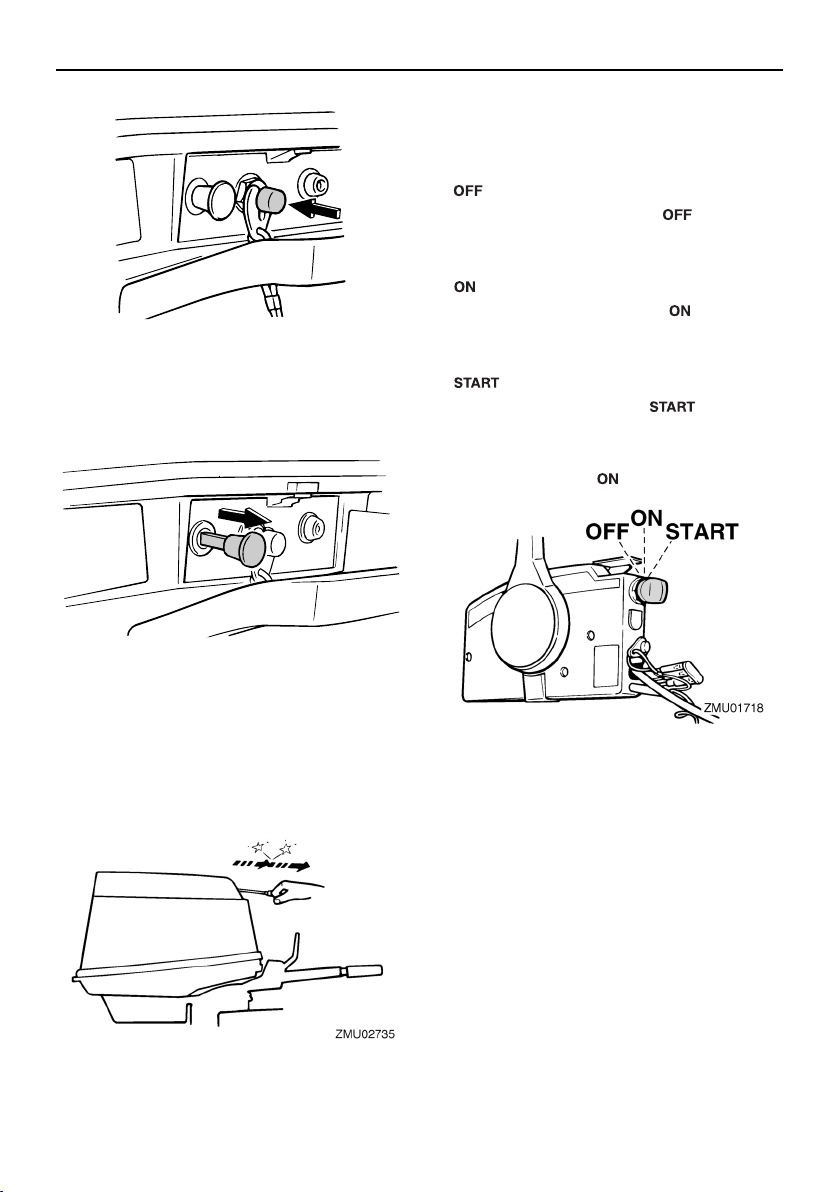
Components
ZMU03760
EMU26011
Choke knob for pull type
To supply the engine with the rich fuel mixture required to start, pull out this knob.
EMU26090
Main switch
The main switch controls the ignition system;
its operation is described below.
●
“”
(off)
With the main switch in the “ ” (off) position, the electrical circuits are off, and the key
can be removed.
●
“”
(on)
With the main switch in the “ ” (on) position, the electrical circuits are on, and the key
cannot be removed.
“”
●
With the main switch in the “ ” (start) position, the starter motor turns to start the engine. When the key is released, it returns
automatically to the “ ” (on) position.
(start)
ZMU03761
EMU26070
Manual starter handle
To start the engine, first gently pull the handle out until resistance is felt. From that position, then pull the handle straight out quickly
to crank the engine.
20
EMU26122
Steering friction adjuster
A friction device provides adjustable resistance to the steering mechanism, and can be
set according to operator preference. An adjusting screw or bolt is located on the swivel
bracket.
Loading…
Условные обозначения моделей лодочных моторов Honda
Все двигатели Honda — четырехтактные
Условные обозначения:
Буквы в обозначении мотора, например: BF 10 D2 S H S E
- BF – обозначение всех лодочных моторов производства Honda;
- 10 – мощность мотора в л.с.;
- D2 – семейство ( D ) и модельный год (2 = 2002г.);
- S, X, L – высота транца (короткий, длинный, сверхдлинный соответственно);
- H, R – тип управления (дистанционное управление или румпельная рукоятка);
Модели с дистанционным управлением оборудованы электростартером и выходом для зарядки аккумулятора 12В–6А. Все остальные типы оборудованы выходом для зарядки аккумулятора 12В-12А.
Эта позиция может отсутствовать:
- S – электрический стартер, система подзарядки аккумулятора 12В-12А (без электростартера 12В-6А);
- G – газовый подъём мотора;
- E – регион, для которого предназначен мотор ( E = Европа).
Расшифровка буквенных обозначений в лодочных моторах HONDA
BF — обозначение всех 4-х тактных лодочных моторов производства Honda
20 — мощность мотора в л.с.
A2 — семейство (A) и модельный год (2=2002г)
S — высота транца короткий 381 мм.(BF-20 D3 SRTE)
L — высота транца, длинный 508 мм.
X — высота транца, сверхдлинный, 635 мм.
E — регион, для которого предназначен мотор (E-европа);
B — система подзарядки аккумулятора (может не указываться)
H — управление с румпеля
R — дистанционное управление
S — электростартер (если S в последних 2-х буквах BF20D3 LHSU)
D — ручной запуск
G — подъем газовым цилиндром
T — электрогидроподъем